
Flagging Down the Double E’s is an email newsletter exploring Bob Dylan performances throughout history. Some installments are free, some are for paid subscribers only. Sign up here:
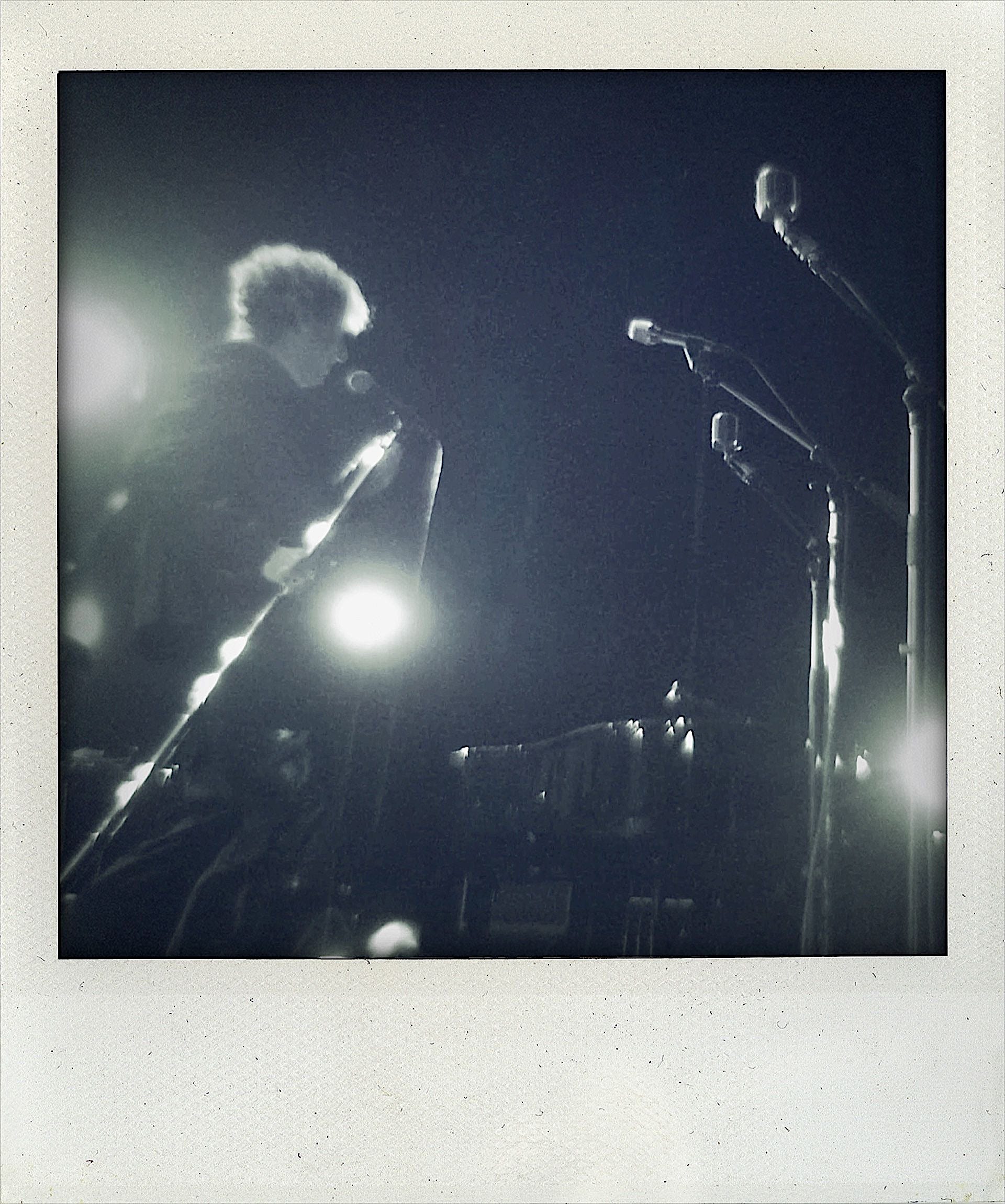
In the 2010s, director John Hillcoat (Lawless, The Road, George & Tammy) worked with Bob Dylan on several different film projects. The first was a new music video for “Visions of Johanna,” to promote 2015’s The Cutting Edge Bootleg Series. Dylan didn’t appear in the video—in fact, Hillcoat hadn’t even met him yet—but he gave notes.
From there, their collaborations grew more direct. Next came the Desert Trip music festival, the giant 2016 concert bringing together six of the biggest names in the ’60s-rock pantheon for two blowout weekends in California. Hillcoat was brought in to oversee what would be shown on the screens behind Dylan. It was the biggest screen in the world at that time, a fact Dylan did not necessarily view as a good thing. As Hillcoat recounts, this situation caused no shortage of backstage drama.
There were a couple other music video ideas that came and went before Hillcoat’s final project with Dylan: Several days in a film studio outside Dublin shooting a private performance to be shown to the Nobel Committee. The details of this project have never been reported before. It was to serve as Dylan’s acceptance speech of a sort, a private video to present to the Nobel people in order for him to collect his prize. After days of filming and editing, though—well, I’ll let Hillcoat explain what happened.
Since this is a long conversation covering several distinct projects, I’ve inserted mini-headlines to serve as guideposts, starting with…
“VISIONS OF JOHANNA” MUSIC VIDEO
How do you start working with Dylan?
I got into filmmaking via music video. I became close friends with Nick Cave. This was before the Bad Seeds; he was in The Boys Next Door and the Birthday Party. Nick was obsessed by my record collection. He would come over and do all these recordings. I shared with him this passion for the music from America—folk, blues. Of course, Dylan was a major figure in all this. I never dreamed that our paths would ever cross.
I started doing loads of music videos with Nick. Then over the years, it became more and more artists. I did this video for Johnny Cash. It was for the first release of the lost album. That caught the attention of Jeff [Rosen, Dylan manager]. He has an eye on cinema. So he got in touch, because of my movie work as well as the Johnny Cash thing, which was a combination of stock footage and shooting stuff. They had the Bootleg [Series] thing. That’s how “Visions of Johanna” came up.
I didn’t meet Bob at first. It was all through Jeff. There were messages going back and forth between me and Bob about the video, via Jeff. Bob was fascinated, Jeff said, by violence in cinema and the history of America. Anyone coming out of the ’60s, that violence has impacted them, right? America also just has that tradition. It was founded on violence. Hence my interest in Blood Meridian and Cormac McCarthy.
I did notice that guns are a big motif in your “Visions of Johanna” video.
I was thinking, “When ‘Visions’ was written, it was the height of the ’60s and the cultural revolution.” I was trying to research and get information, but, as you know, one of Bob’s masterful things is not giving away too much. Making sure there’s enough mystery to keep people guessing.
What do you mean you were trying to research and get information?
I was trying to get to when he wrote the song. He wrote it during the New York blackout—or there’s rumors that he did. Because it was a music video that needed more imagery than just the footage. We had this brilliant Pennebaker footage, but we wanted it to stand out in a different way. Not just rest on Bob’s performance film. We wanted something more conceptual. That was where we got into the conversation of violence in America.
Initially, my pitch deck was all this reference to violence in the ’60s. But I got the message from Bob to stay away from being on the nose like that. The violence was more of a reference in a broader sense. He didn’t want to be linked back into that whole “I’m the protest leader of the ’60s.”
Not have the standard footage of the riots and the police dogs.
Exactly. And Martin Luther King and the assassinations and all those upheavals and blah, blah, blah.
Sorry, I didn’t mean “blah, blah, blah.” That was intense, serious shit. The opposite of “blah, blah, blah.”
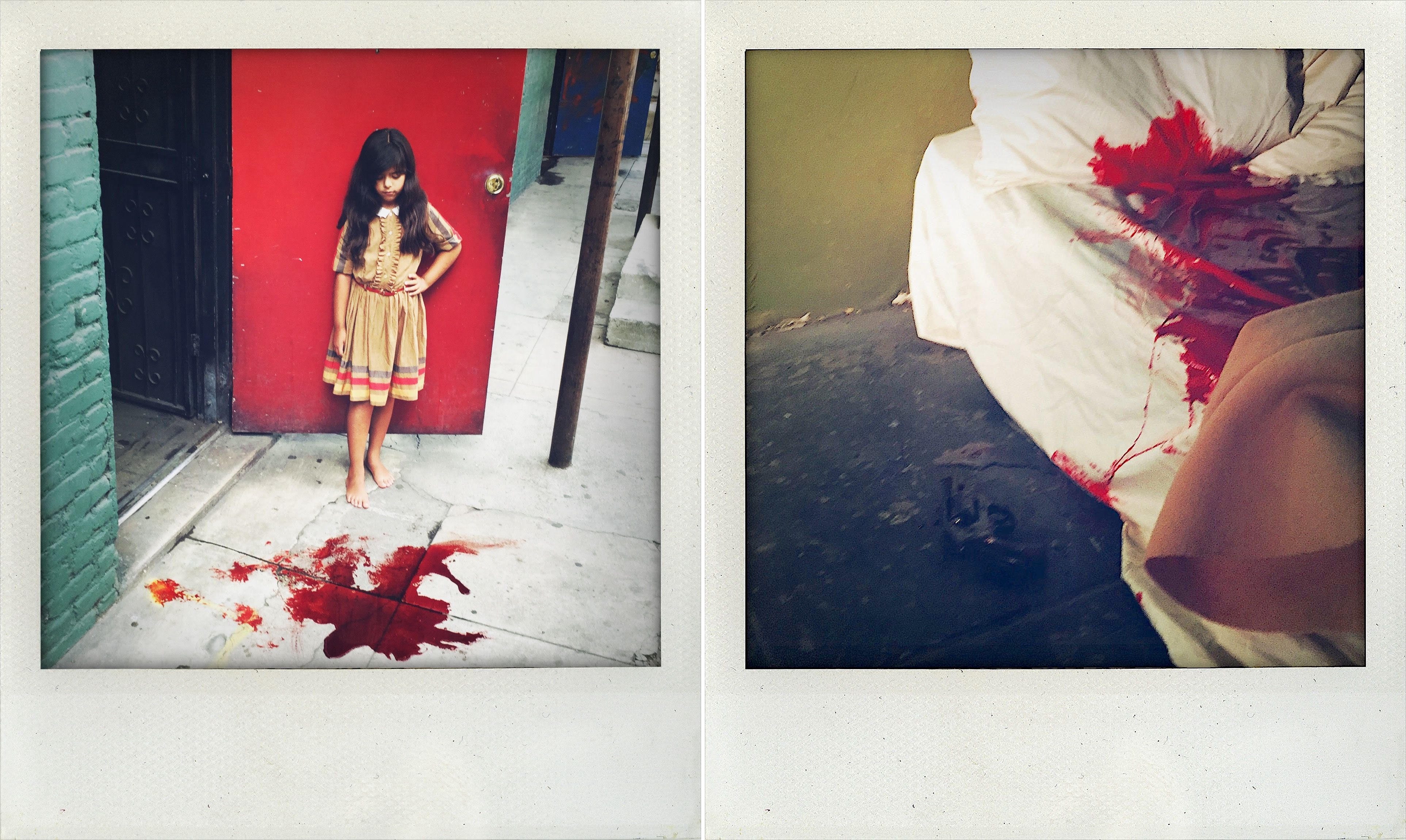
So I went into a more abstract mode, but I also wanted to have Easter eggs there for how that song came about. Hence the blackout in New York. Even the bloody bed was based on the photos of Fred Hampton. He was asleep in bed and they machine-gunned him.
I had access to outtakes of Pennebaker. I looked at stock [footage], and then I shot bits where I was blurring the line.
I was trying to figure out which parts you filmed. Was it like the woman on the bed?
Yes. There were references to the different women in his life, but also the kind of tumultuous violence between couples. Make it more surreal, unsettling. Go more abstract with it and reference violence in a much more broad sense.
So at this point, you still haven’t actually met Bob?
Correct.
Apparently that video went down very well with both Jeff and Bob. That’s when the next venture came up, which was Desert Trip, where Coachella takes place.
DESERT TRIP CONCERTS
So what was your role at Desert Trip? Did you have something to do with the footage that aired behind Dylan?
Yeah. I was approached by Jeff saying, “Look, Bob wants you to do visuals for his show.” That whole event was going to be filmed by some guy that does loads of giant live shows. He was shooting for the big screen. It was the biggest screen in the world at that time. It was like a sci-fi thing, 40 feet high, 450 feet long. They wanted that screen as a big part of all the performances. Jeff said, “Look, you’ve got to make him comfortable and go with his ideas, because the big screen concerts are not the way he does his live shows.” You know, the Rolling Stones are old experts at that, but Bob’s not that kind of live performer.
Dylan didn’t want to be covered in the way that everyone else was going to be covered. The way musicians are covered really irritated Bob. He had very specific thoughts about it.
What were his very specific thoughts?
We had to have a meeting in advance of the two shows. The meeting was extraordinary. It was in a big hotel in Valencia, a blazing hot summer day. The hotel was virtually empty.
His stage manager—a real character, amazing guy who does all his practical managing—Jeff Kramer sets this up. Jeff takes me up to the hotel room first. He checks the bathroom, he checks the balcony, he looks into the vents, searches the room. It was just strange, as if people were after Bob or something. This is high up, by the way, overlooking the sea.
It’s all clear. We sit down. Bob comes in, and he’s got probably three or four layers of clothing. Two hoodies, fully up. Dark glasses. Totally hidden. With the layered hoodies, you could just see a bit of forehead, a little bit of cheeks and nose and mouth, and that’s it. Very strange.
I decide that I’ve got to somehow break the ice with this guy. I didn’t want to let him down. So I do a big gamble. I tell Bob the story of my family moving from Australia to New Haven and being big fans of his. They would drag me along as a really young kid to different concerts and events. I got dragged to Newport Folk Festival, the big one. I was four years old.
When he went electric? Wow.
I tell Bob how there was a big area where, when they were setting up for the nighttime show, they had Pete Seeger entertain the kids. We were all running around like wild things and we had Pete Seeger perform to us. I remember that really, really clearly, but I couldn’t remember anything about seeing him go electric that night. I probably fell asleep, to be honest. So I can’t remember that, whereas I have a very vivid memory of Pete Seeger playing to the kids.
It could have gone either way, right?
That’s taking a real swing, telling him his Newport ’65 performance made zero impression on you.
Yeah, but he laughed. Like a real laugh that wasn’t guarded. Then all the layers came off, including the sunglasses. That’s how I broke the ice.
We had this incredible long conversation, really detailed. He was talking all about the way performers are filmed and the impact of Ed Sullivan’s show with Elvis. The way that the camera just held this wide shot on Elvis. It wasn’t cutting to guitar solos or anything like that. There was something so pure and direct with that performance that made a huge impact on him.
I brought up Woodstock. They would sometimes just hold those shots for almost the whole song. As time went by, it got more and more jazzed up. All the clichés that he hates. He wanted this radically different approach.
He used the Rolling Stones as the kind of antithesis of what he wanted, where they have all these cameras flying around. Super dynamic camera moves, guitar solo close-ups, everything’s cut like a music video to the beat. He said he wants to avoid all of that. So as the master contrarian and the creative anarchist, he decides it’s got to be black-and-white, because he knew everyone else was doing color. We don’t use any of the cameras that everyone else is using, the giant showbiz cameras on wires.
So he wants to use literally different cameras from all the other acts on the bill?
Bob’s whole setup was, he was going to do it all differently. He wanted to be polar opposite to everyone. He also loves the idea where the lead performer is part of the band and not being singled out. So he didn’t want close-ups on him at the expense of him with the rest of the band.
Where the shot is 90% Bob Dylan and once in a blue moon you see the drummer or something.
He wanted to avoid that. Everything should be wide-ish. No close-ups of instruments, no close-ups of individuals. It’s always about different angles on the group.
Then Bob has this wild idea of having 25 cameras on the stage. Nothing out [front]—no giant telephotos, no zoom lenses, no tracking cameras, no cameras on cranes or wires flying about. He wanted the cameras all arranged with a pattern that he drew out. I don’t think people could ever put it together, but there was an underlying pattern of where the cameras were placed that formed this ancient [symbol] that predates the Star of David into ancient times.
Wait, you’re saying this ancient symbol determined the camera placement?
Yeah, as a floor plan idea. Also, he said he didn’t want the cameras to cut to the music like a music video. Typically you cut to the beat; you make it musical. He wanted slow dissolves so that it’s working in a different way. It’s more as a sort of stream-of-consciousness background, versus typical razzmatazz live event coverage.
He also wanted some other projection up there, not just the band footage. He didn’t want the imagery to tell you about each song. One of the problems with some of the Pink Floyd back projections, I think, is they illustrated the songs too literally. Whereas the genius of Pink Floyd was when they had the more mysterious album covers. Their animations were so on-the-nose.
So it was very conceptual and very out there. The contrarian in every sense.
I’ll never forget when we were setting up in the first soundcheck, Mick Jagger and Keith Richards appeared on the edge of the stage. They were snooping around because the word got out that Bob’s doing his own thing. They were trying to work out, “What the fuck is he up to?”
Surely they could have asked him. They’ve known the guy for fifty years!
Exactly. This is how funny it is. And of course the backstage contrast. Dylan’s backstage area, you could count on one hand the amount of people. Whereas the Stones’ was just this packed nonstop party. All the Hollywood celebs were going in and out. You could not make up a greater contrast.
They must have intersected at some point. There’s a photo Ron Wood posted from backstage with Dylan holding Ron’s new baby.
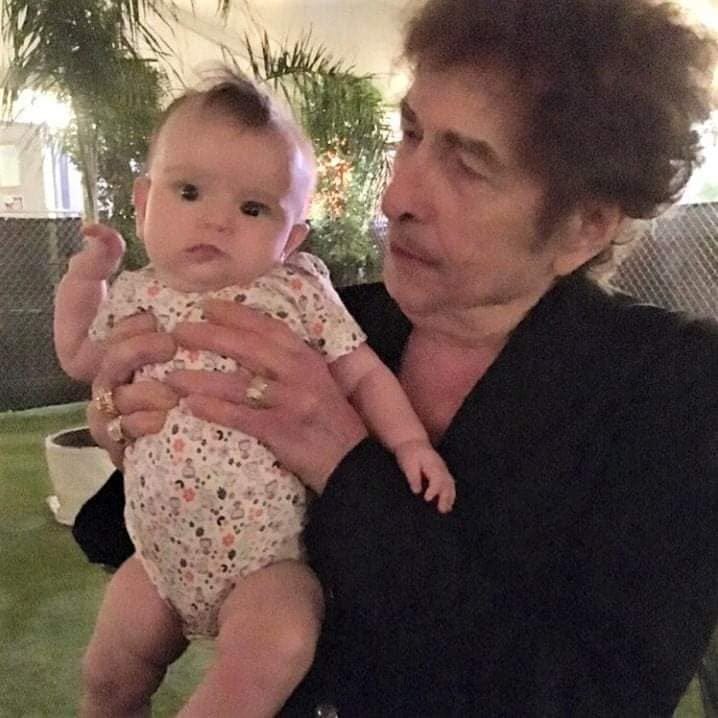
When he was talking to me about the way the Rolling Stones are covered, he was very dismissive, but I think it was more just that he wanted to highlight what to avoid.
I saw him live last summer on the Outlaw Tour. It’s all big venues with big screens. Everyone else—Willie Nelson, etc—is using the typical shots. Bob Dylan, his entire performance was a single camera that appeared to be positioned at the absolute back of the venue, not zoomed in at all. Just an awful static shot, which I’m sure was deliberate.
That was very intentional. I remember these old lenses that had all these aberrations and were really fucked up, he loved that about them. I think he loved doing exactly what you’re not supposed to do. But also, I think with these old lenses and black-and-white and all this stuff, on some level he’s hiding, whether it’s conscious or not. He doesn’t want that big close-up.
I’ve worked with so many actors that use makeup and props and wardrobe to hide themselves. Even like Viggo [Mortensen] in The Road, because that character was an everyman and had to expose himself emotionally so intimately, he was initially looking for ways of hiding. Like an extra big beard and a lot of things to get behind. I’ve grown to really respect people like Dylan and the great actors. There’s so much emotion that they’re putting out there. When there’s teams of people around examining that, it can be very intimidating. Even for the polished professionals that have been doing it forever.
We’ve talked about the cameras on him. In terms of the other stuff, the stock footage, the film clips, how are you choosing those?
I had full access to all of Pennebaker’s outtakes. Pennebaker, as a master documentarian, filmed all sorts of aspects of New York and other [things]. So we weren’t using Pennebaker filming Dylan; it was just Pennebaker’s outtakes, which Jeff has a massive collection of. I utilize a lot of stock and found footage in my work, so there’s an element of that too. I did a pre-edit that I shared with Jeff and Bob. I think it lasted about an hour or something and then recycled.
So the soundcheck arrives. It was really important, Jeff said, to use that soundcheck to make Bob comfortable. Show him the shots up on screen in advance, because he’s never performed with a screen like this.
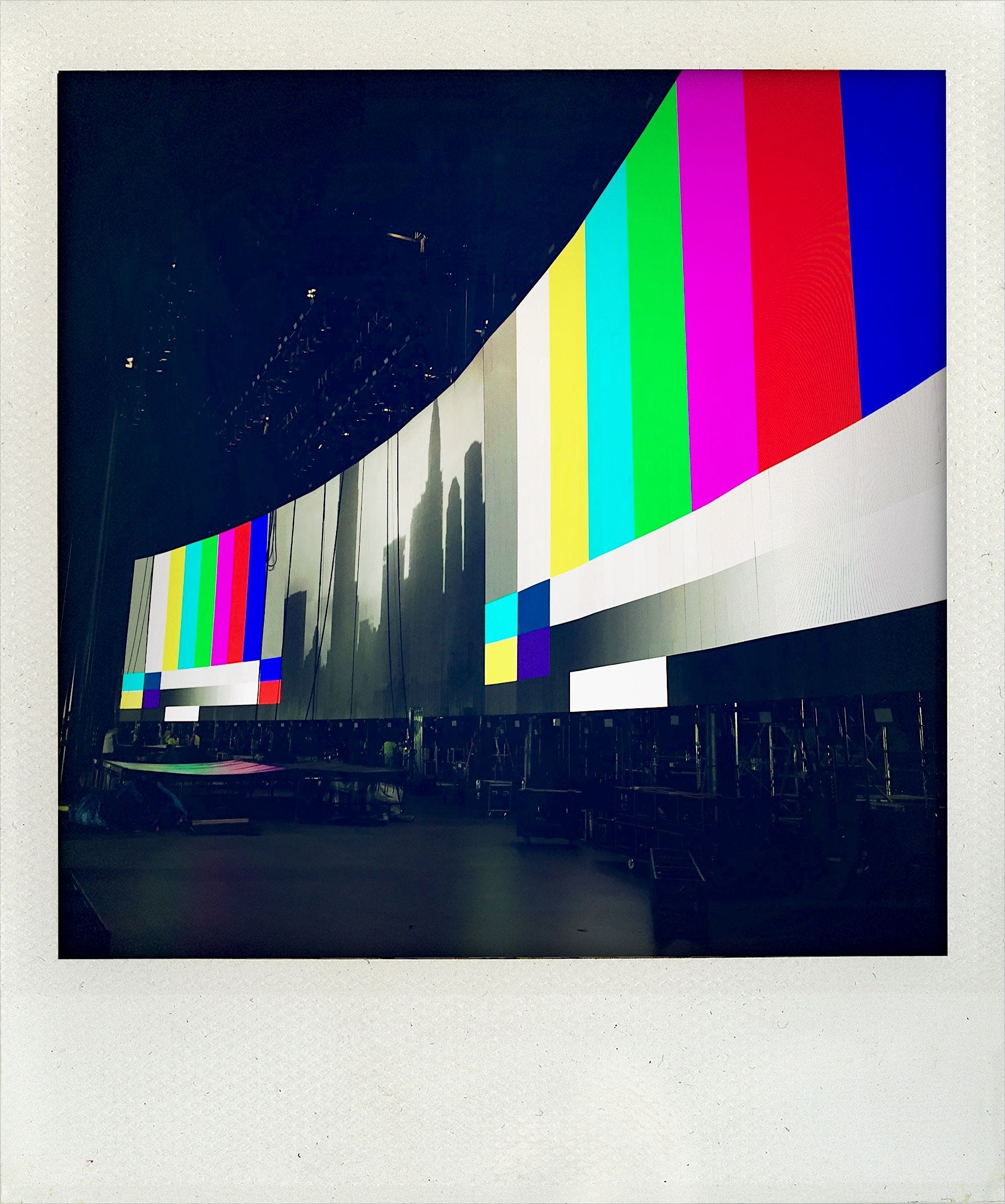
Now here’s the rub. The man that was shooting everyone else is a rock and roll animal. He wanted to fuck me up, because he was so resentful that he didn’t get to do Bob’s show. This guy wanted to make sure we failed so that he could move in and be the savior. I didn’t know this, but I discovered it the hard way.
We rock up before the soundcheck to prepare all these cameras. We had all these small cameras that were independent, but we needed a hookup to the rest of the system, right? He didn’t give us the proper equipment we requested. We didn’t even have ways of attaching the cameras to the tripods. We didn’t have the right threads; we didn’t have any proper staff to support us. And we had a massive setup. He completely sabotaged us. We were panicking, literally taping the cameras to light stands.
You said 25 cameras, right?
I think it got reduced in the end to 17 or something. It was well over ten.
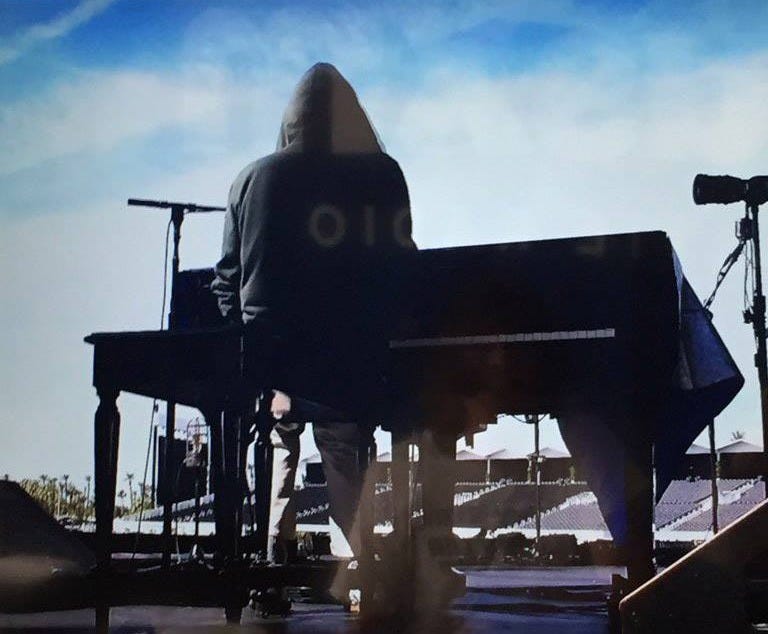
So we couldn’t show Bob the cameras by the time it came to soundcheck, because most of the cameras hadn’t even been mounted. So he had no visual reference. I was freaking out, because I knew this was a big problem.
Also, we weren’t going to get there on time for 85,000 people. They all started to load in. This is how close it got: By the time we set up each camera and got them working and hooked up, the lights were going up for the show.
As the show itself is actually starting?
As the show is starting. That’s how close to the wire we were.
Is there a lot of tension? I know you’re stressed, obviously, but is Dylan pissed?
Yeah. He’s not communicating with me at this point. There wasn’t even time to explain what was going on. All we did was focus on, we have to get this going by the time the show goes on. It was the opening act for the whole event. We were sweating blood.
By the way, I didn’t want him bogged down with any of this shit either. I’ve learned that working with actors, you don’t want to give them any additional stress of the behind-the-scenes. That’s the last thing they need. They have to focus on their thing, and you have to support that at all costs. I just apologized that the cameras weren’t ready to show him.
He did nearly make me implode by saying at the last minute, “Should we go color?” After I had completely designed the whole thing in black-and-white. I even turned color footage into black-and-white. As he was leaving the soundcheck, he said, “How about we go color?”
How did you respond?
I was so shaken. I was just like, “Well, I think we’re really prepped for the black-and-white, and I think that’s going to work better.” He’s just like, “Okay, okay.”
So we went live and I was calling out the different cameras. We had all these different cameras starting to move around and dissolve as Bob requested. In the middle screen, we had the background footage.
Here’s the problem: Bob hadn’t got used to it. We were a few songs in, and I saw Bob look up on the screen for the first time. He was just into the music, then he looked up and saw himself forty feet high. I saw his whole face change. The audience didn’t notice, but I noticed. Sure enough, he literally kicks the camera that was closest to him. He kicks it and sends it flying.
Oh my God.
I’m hearing panic backstage. “Kill the cameras! Kill the cameras!” We’re only a few songs in. There’s 85,000 people, and they’ve come to see Bob, right?
They’re not gonna be able to see anything now. So did you have to kill the cameras?
Of course. Bob ended up saying in between the songs, in no uncertain terms, “Kill all the cameras.” So I had to just cut all the cameras. Luckily, I had this beautiful stream-of-conscious Pennebaker montage, so I just filled all the screens with that instead.
I thought it was all over between Bob and I. I said to both Jeffs that I should just go dig a grave and kneel down and wait for the bullet, right? Because if he’s kicking cameras and shutting down the whole show—not good. There was one more weekend. I just thought I’d be replaced and that was the end of everything.
Luckily, the New York Times did a review saying everyone was super excited to see Bob and he’s doing all his great classics, but all new arrangements, no one knew what to expect, and then suddenly he vanishes. And it’s like, “the genius of Bob Dylan!”
Like it was all planned to not show him onscreen, you mean?
Yeah. Which I thought was hilarious.
I explained to Jeff Rosen what happened. He’s been around, he knows what these live event people are like. So he rings up this guy and absolutely grills him. He says, “I want everything set for this next weekend, where Bob sees all the cameras in advance. You’re going to give us all the prep we need. We’re going to take the Rolling Stones soundcheck.”
Can he do that? Don’t the Rolling Stones need a soundcheck?
I don’t know if we got all of it, but we definitely got the prime slot and all the time we needed to set it up properly. Jeff was very impressive on that phone call, I have to say.
Word must have got back to Bob what happened. When I saw him at the soundcheck for the next weekend, he took me aside and we had a chat. He was saying, “Okay, let’s give this another go.”
He was in a good mood because, between those two weekends, it was announced about the Nobel.
Oh, really? I didn’t realize that was the timing.
We didn’t know whether Bob was going to even accept it or not. I was told by Jeff Rosen, “Whatever you do, don’t mention the Nobel.” That was just off the table.
Bob was definitely in a better mood. I didn’t know whether it was to do with the Nobel or whether it was he had heard that we were sabotaged. There were no problems on that second weekend.
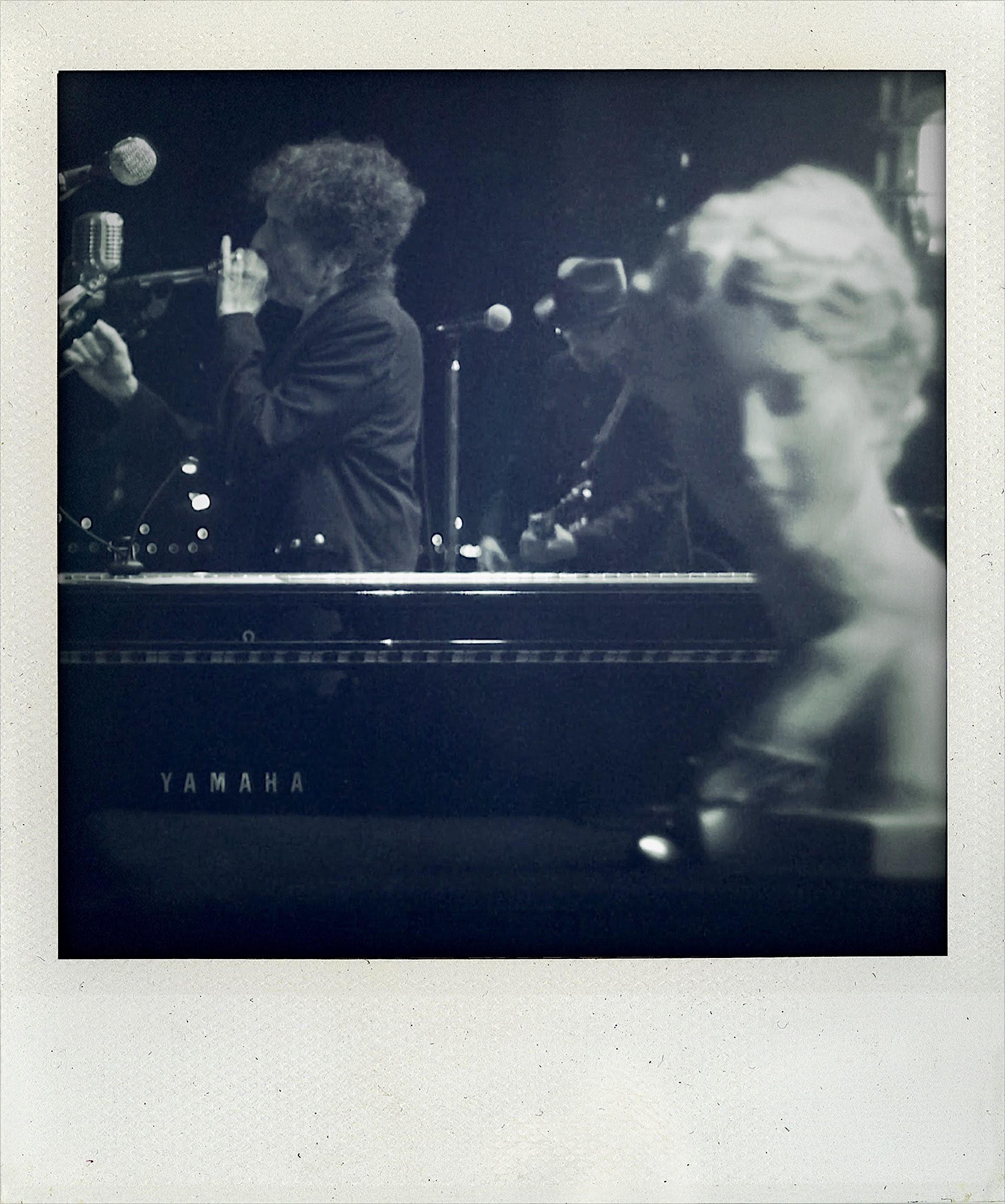
I convinced him to take his hat off as well, because he has amazing hair. His hair for his age, it’s just incredible. And it’s all natural. He hasn’t done any kind of specialist hair work.
What are you doing during the concerts themselves? Are you queuing cameras or are you sitting back and watching?
I’m there with a control panel in a booth that’s near the stage. I’m looking at all the different monitors and queuing the cameras to do their dissolve.
Are you having to remind yourself not to do it on the beat?
Oh yeah. I drilled it into the guys that were working the panels.
I neglected to mention that before Desert Trip, or maybe it was after, there was also a music video I was going to do with Bob in it.
For what song?
“That Old Black Magic,” from when he was doing the standards.
“THAT OLD BLACK MAGIC” MUSIC VIDEO
He was interested in new tech. Again, just trying to be on the vanguard. As a creative anarchist, he wants to do unexpected things. The idea was to do a full 360 video. We were going to do it inside a club as a film noir. My reference was Weegee. Do you know that brilliant New York photographer?
I do. I wrote a 33 1/3 book about this Leonard Cohen tribute album where they used a Weegee photo on the cover. Kids playing in the street in the summer.
That’s right. I did this whole pitch deck and a lot of research into the characters that hang out in those bars at that time. You know, barflies, card sharks, gamblers and all those sort of mythic noir figures in this edgy club. Really pushing the boat out. Then I cast it. I had the most incredible faces. That’s what is missing in modern cinema. If you look at the ’30s or ’40s, some of the top leading actors—even Bogart has a real character face. You don’t see as many characterful people in the way that used to populate cinema.
We had it all ready to go, and Dylan suddenly disappeared. Both Jeffs could not track him down. He went, what do you call it, missing in action?
MIA.
MIA. And they were desperate because we’d all lined up everything. We’d cast it, we booked it, we did camera tests. We had the whole thing pinned down.
It turned out he was in Japan. He just wandered off for some downtime in Japan and lost track of all time and communication.
What was he supposed to do in this video?
He was going to be the club performer.
In the middle of this 360-degree camera thing?
Yeah. In fact, like Shadow Kingdom, but with a more edgy Weegee vibe. Like you’re really leaning into the more smoky barfly characters.
Anyway, so that never happened.
They did a noir video a year or two before for another standard, “The Night We Called It a Day,” with Robert Davi. Was it connected to that?
It was to push that even further. He’s had a long interest in cinema, the kind of larger-than-life characters and outlaws he writes songs about. Hence why I keep saying Weegee, because if you see Weegee and then look at those videos, I hate to say it, but they don’t have the edge that Weegee had. There was a real underbelly of the city at night that was genuine noir. So I wanted to just push it more in that tradition. Take it into a more cinematic, gritty realism of that world.
That sounds like it would have been a cool video. I’m sorry that Dylan wandered off on you. That must have been quite a disappointment.
I never found out—and I don’t even know if the Jeffs know—what was going on with him personally. But obviously he just checked out. And I totally get that. I’m amazed he doesn’t do that more.
Then there was also another music video after Desert Trip that I was going to do for a beautiful version of “Simple Twist of Fate.”
Like a new version?
No, from a Bootleg Series.
They did a Blood on the Tracks Bootleg Series [in 2018]. It must have been that one.
I have to say, in all honesty, I think that bootleg track of “Simple Twist of Fate” is even better than the album. I mean, both versions are fucking amazing, don’t get me wrong, but I think there was an extra rawness and emotional power to the bootleg one.
What was the concept of the video?
The concept was a color noir. When I say color noir, I mean like Jimmy Stewart in Vertigo, with the rich colors and the sordid hotel rooms and the loneliness. Bob wasn’t going to perform in that one. Rather than the more abstracted “Johanna,” this was going to have a loose narrative of a noir character in hotel rooms.
Like telling the story of the song? Because obviously a hotel room is prominent in the lyrics.
Exactly, yet without being literal. Using some of the thematics, so it’s almost like a visual echo of the song rather than a literal interpretation. Hinting at the impressionistic journey of doomed love.
So what went awry with that one?
Well, sadly—and this is just the brutal fact that shocked me to the core—it was the budget. Our budget was around forty or fifty grand, and the label said, we can’t budget fifty grand for promotion of this set.
It’s Blood on the Tracks! One of the greatest albums of all time.
To be honest, having done that whole journey in music, that’s when I really woke up to how profoundly the music industry was changing.
NOBEL PRIZE PERFORMANCE VIDEO
Then the last big event I had with Bob was for the Nobel. He wanted to avoid showing up in person. I think it was the whole dog and pony show that he didn’t want to do. Because there was the controversy flying around of, “What are you doing giving him the Nobel for literature?” People were outraged. Cormac [McCarthy], who at this point was a very close friend, we talked about that. He was thrilled. He said, “Look around. Who else is writing that great? He deserves it.”
There was that long controversy: “Is he going to even accept?” To get the prize, you do have to engage in some way. So he said, “Okay, I’m going to do a bespoke film to present to them.” He would rework a lot of his classics to present for the Nobel.
We timed it where he was going to finish a tour. He’s going to be in Dublin [in May 2017]. We’re going to get a studio where we would shoot it all, edit it together.
So a concert film, although not at a real concert? Was that sort of the idea?
Yeah. Now, again, he was really specific. He wanted the band to be really close to each other. It shouldn’t feel like a film studio where you’re all placed in your special spots. He wanted this intimacy, where the group is tightly working together in a huddle. He wanted to now go color with it, instead of black-and-white. We talked about color noir. We were going to have intense colors, some red carpet under this little huddle that we would film.
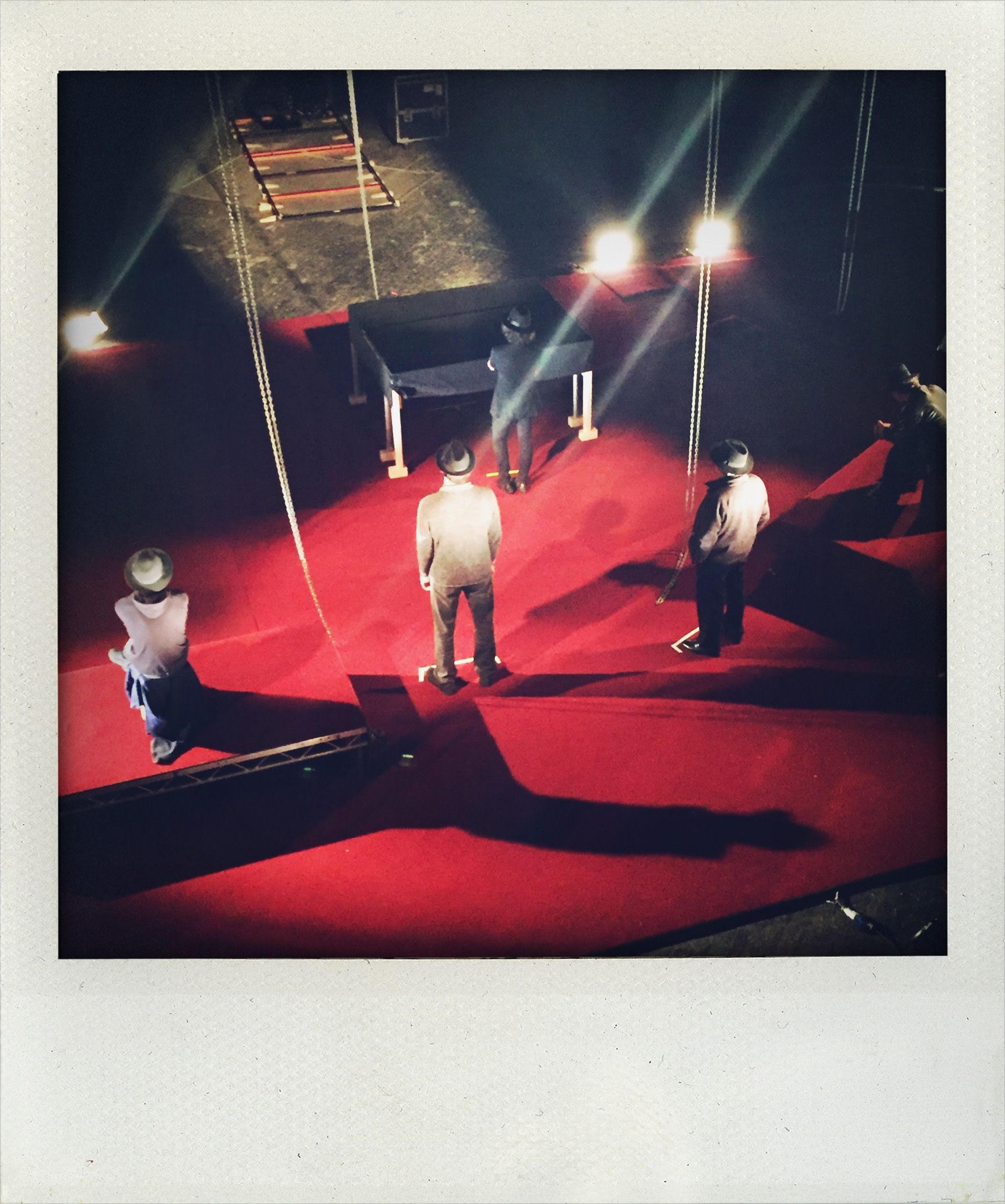
So we set it all up. We had the meetings and we booked the studio [Ardmore Studios].
The setup you’re describing sounds kind of like Shadow Kingdom a few years later, in terms of the noir vibe and the reworking of old songs and everything.
Even the approach too, like the way of keeping the whole band close. In that case, they set it in a little club or café.
We had it all set up. Lol [Crawley] was gonna shoot it. Lol was very resistant to the idea that they could be so close together. We had a big arm wrestle over that. The closer they were all together, the harder it was to light.
Because they’re casting shadows on each other?
And just to shape the lighting. It’s much harder when they’re all on top of each other.
That was one thing, but then there became a series of things. It was probably not a good idea to try and attempt such an ambitious thing at the very end of a long, long tour.
Just in terms of exhaustion, you mean?
Kind of. I mean, he has unlimited energy. I don’t know where it comes from.
We get everything set up for Bob, ready, waiting for him. We had this whole crew, all these cameras set up, we had a crane. It was all planned out. He comes there. The first thing that happened, we had to reset. It was still too spread out. It was too much in the space of the studio. He wanted that more intimate vibe.
So we put it closer. We had to move it all to one side and change the whole setup. After four or five hours of pre-light, we had less than an hour to redo the whole thing. I managed to break the ice again when he was getting frustrated ‘cause the setup wasn’t right. I told him how Cormac felt there was no better person to give the Nobel to. He loved hearing that.
He also had an idea about looking into the lens.
He wanted to look into the lens?
Yeah, he asked about that. He had done a thing recently that was kind of inspired by the Ed Sullivan thing of a one-take crane move where he’s looking at the lens the whole time. I guess he had the residue of this idea of looking into the lens. [Note: I think this would be the Tony Bennett 90th birthday performance below.]
The problem was, we had multiple cameras, multiple angles. He looked at all the angles and was fine. But then when he wanted to make eye contact, it would never work. You’d need visual lights flashing to indicate which camera to turn your attention to. Because you can’t look in the lens of five different cameras [at once], can you?
To be honest, it was better as a Desert Trip-type heightened documentary where they’re lost in the music, versus like a performance.
More fly on the wall, like you’re catching this intimate rehearsal.
Correct. Rather than trying to do the more self-conscious straight-into-the-lens thing, which is a much more stylized vibe. I explained, “Don’t worry about locking eyes. You can drift to any camera in the moment, but just focus on doing your thing. We’re ready to roll whenever you want.”
I hid everyone behind curtains, because I knew that crew members are a distraction. So I tried to minimize people in his eye line. Minimize all the distractions, so he could be as focused as possible.
Did this thing actually get filmed amidst all this?
Oh yeah. We filmed it. We had a couple of days filming, and then a few days of editing, all at this studio in Dublin. [Technically in Bray, just outside Dublin]
The thing that I learned is that, you know Pennebaker’s Don’t Look Back? That is literally his philosophy. There’s no looking back; there is no going back. It’s all forward motion. That’s why he never does anything exactly the same. He didn’t even know which albums some of these songs came off of.
What songs was he performing?
The most jaw-dropping was “Girl from the North Country.” They were from a bunch of different albums. A lot from Time Out of Mind. “Love Sick,” “Standing in the Doorway,” and “Trying to Get to Heaven.” Beautiful renditions, I must say. Also I think “It Takes a Lot to Laugh, It Takes a Train to Cry.”
But the thing is, he didn’t tell anyone, including the band, which songs they were going to do. When a song formed, we had to just roll the camera. He was never going to go, “Okay everyone, here we go.” He said we had to be ready, because he was just going to warm up and find the songs, and the band had to find the songs with him in the moment. We had to be ready to capture it.
This is where his energy is limitless. Eight hours without a single coffee break, of just improv noodling. Sometimes you would gradually hear a song emerge, and I’d have all the cameras start rolling, and then we realized, “Hang on, it isn’t.”
So this is eight hours of not even playing songs? Nothing that you can capture.
Correct. The grips at this point, the sweat’s just rolling off them. They’re gripped, ready to go into action the second the song hits, right?
Everyone is just on the tips of their toes waiting for something that sounds like a song.
Everyone. We were all set to go with dollies, cranes, all that. As I said, we’d sometimes start to roll and then stop when we realized, “Oh, no, it hasn’t formed yet.”
As you know, the band members have to know every song inside out and backwards in advance, and they have to be on it in the moment. So all eyes are on Dylan. I’m talking every band member. And also, as you know, he tends to focus on a member of that band. [laughs]
Sometimes you don’t want to be the one he’s focusing on.
Absolutely. And it was Charlie Sexton, in this case. Bob was really leaning in on Sexton. Everyone else was on eggshells.
What makes this even more perverse is they just finished an entire tour. He could have just played a regular set like the one they had done two days ago.
Absolutely. And also to not even take a coffee break—and by the way, crew regulations, you can’t just do eight hours straight without some kind of break.
How did he get around that?
Everyone had signed up for this. Whatever happens, happens. It’s Bob Dylan. Be prepared.
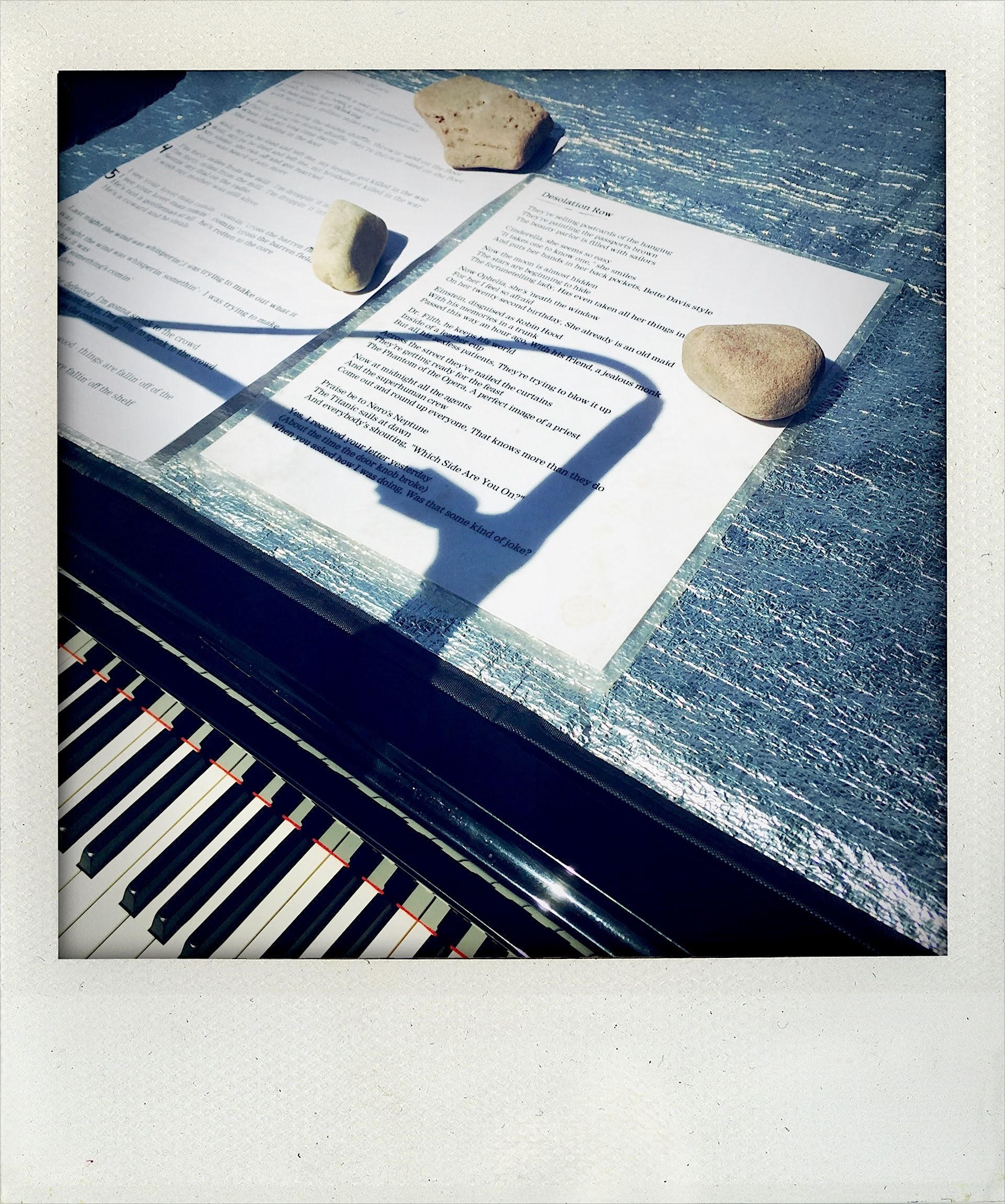
He found these prop swords. The props guy from the studio thought they were from Excalibur, the Boorman film. John Boorman’s an old friend who was living outside of Dublin while we were filming. I told him, “We’re using your swords from Excalibur. Bob’s placed them on the piano.” And the hilarious thing is John Boorman said, “I hate to tell you this, but the props guy is telling tall tales, because the sword is above my mantelpiece.”
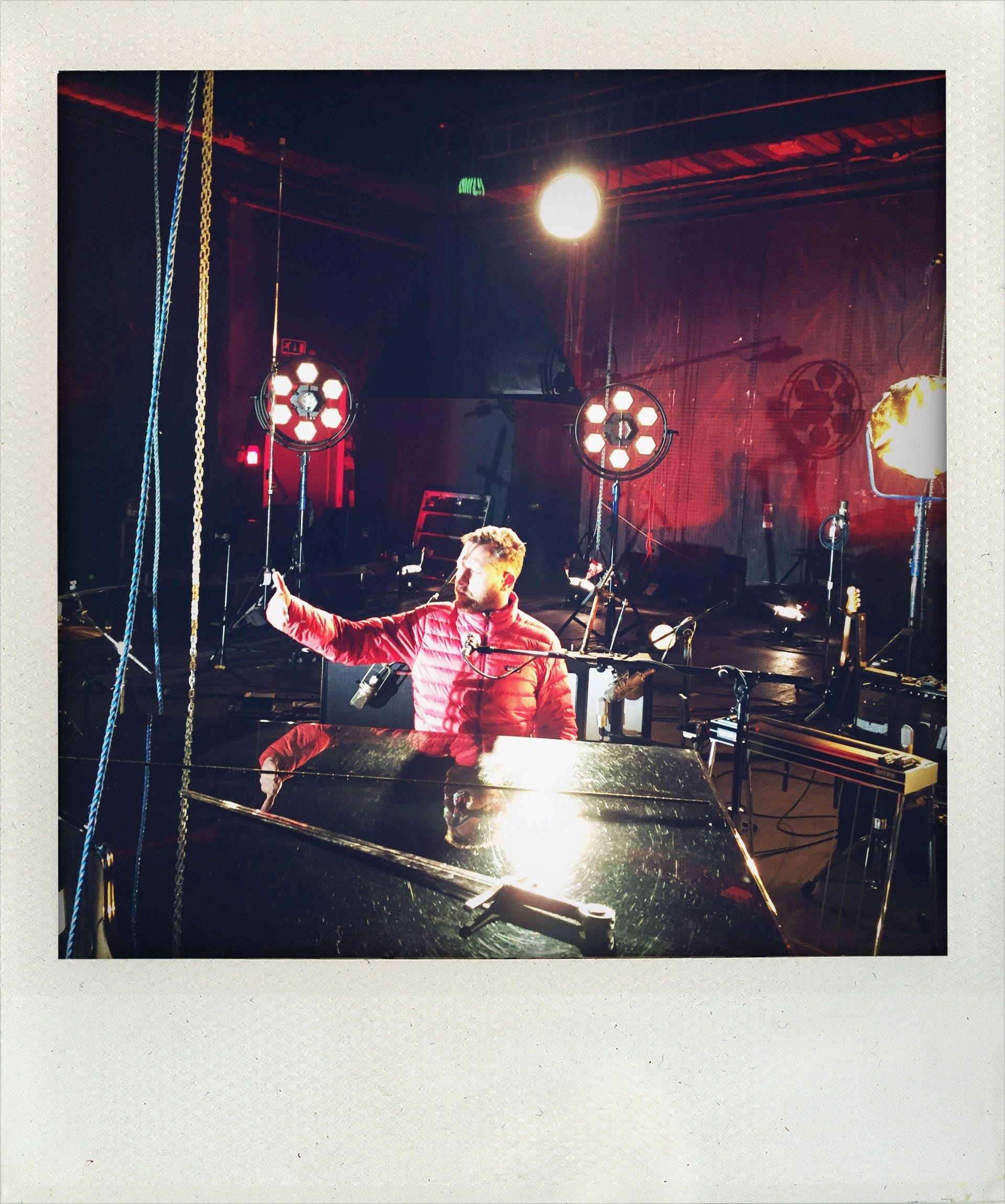
It was just some random swords?
Yeah. I didn’t break that to Bob. He loved the swords on the piano. I didn’t want to break the spell.
He’ll have bits and pieces, little trinkets [on stage]. On Desert Trip, he brought the statue of Beethoven and a bust of a female Greek god. This was all part of that. He laid down the swords crisscross. I guess he loved that Celtic tradition.
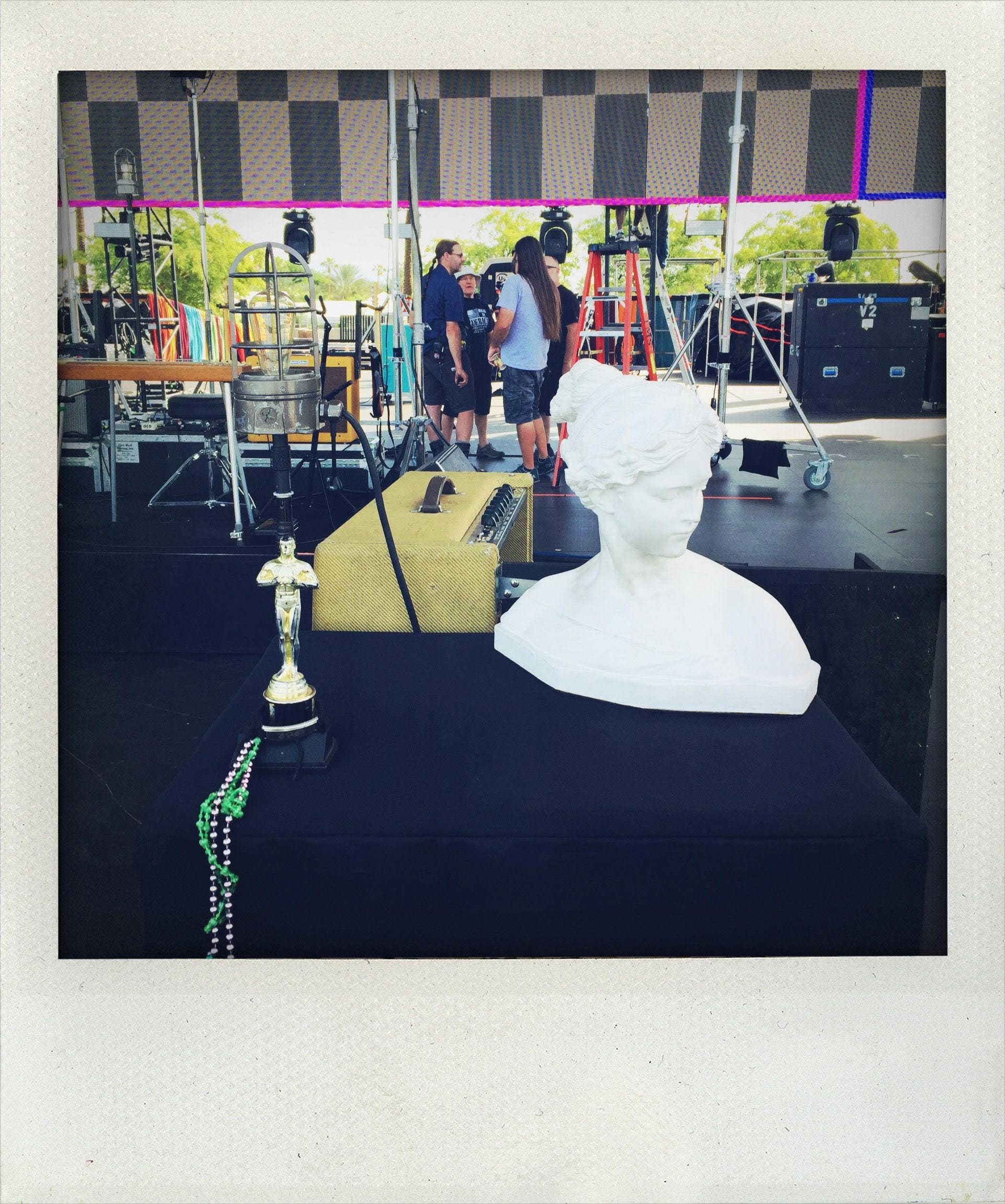
Anyway, out of all of this, eight hours later, “Girl from the North Country” comes out, and it is breathtaking. Half the crew were in tears. Partly from physical exhaustion. As soon as it finished, I went out. Bob just looked up at me and said, “Did you get it?”
From there, more and more songs came out.
How many songs ultimately are we talking here?
I think it ended up being eight or nine. Like a mini album. It was meant to be substantial enough to have a show to present to them.
When you say present to them, was this going to be released to the public or was it just going to be shown to some Nobel people?
It was just going to be shown to the Nobel people and then, maybe, go beyond that. You never know.
But no concrete plans to ever actually release this thing?
No.
The other thing that happened was there was an old ribbon mic. I didn’t know this, but old ribbon mics, you have to hit straight-on horizontally. If you look down at an angle of 45 [degrees], or 45 up, you’ll miss the mic.
The mic won’t capture you?
It does, but it’s not as good. So that was a challenge. Half the songs were in this huddle where he’s on guitar and singing with the band. The other half, he did some songs at the piano. He explained that when you’re playing, you’re looking at the keys, but you’re singing at the same time. So if you’re singing horizontally, you can’t look at the keys. He said it interfered a bit with his performance. It was a challenge. I wish I’d known all this in advance, because I could have sorted all these issues.
He was kind of in a weird space about whether he should wear a polka dot scarf or not. I was with his long-term stylist talking about that, and a piece of his hair was sticking right up. It was catching the light, really distracting. It’s the sort of thing that you’d have to paint out in post. No one had it in them to go and get it planted down. No one was game. I asked the stylist, who was comfortable with him; even she was like, “No.” So we both did it together. I distracted him by talking to him, and then she quickly patted it down.
[He had] like a ten-minute delayed reaction. This is once we’re in the groove, and the songs were coming out faster. He suddenly fiercely grabbed his hair with both hands and messed it all up. Like, “Don’t fucking touch this thing.” That was hilarious.
So then we got into the edit. We cut it all together. Bob was in the edit, dictating.
So he’s even involved after the shooting’s done?
As you know, he’s gone in and out of filmmaking mode. He’s got very strong opinions. I think he probably is better having directors with more experience work on those things, but who am I to judge?
I think history has borne that out.
Yeah. [laughs]
John Boorman came to visit. I was hoping to introduce them, because they’re from a similar generation, and I knew Dylan admired his films. That day Dylan was having a bit of a meltdown out in the parking lot with Jeff Rosen. I think in time, with the edit, he got frustrated with his own performance.
He’s his own worst enemy. Look, the sound and the performance, obviously he has to have that final say, and he is the judge. But I think he was getting caught up on some other details that distracted from how good it was, particularly “Girl From the North Country.” His voice was incredible. It sounded almost like an amalgamation of the great Johnny Cash duet. It was like Johnny Cash and Dylan combined as one voice.
So when do you know it’s being shelved?
I knew from the parking lot meltdown that something was up. Jeff later explained, it was a whole lot of things. The ribbon mic thing. His performance. Coming off that tour was probably the worst time to attempt it. So he decided to do the voice thing on the influence of literature and Moby Dick, etc. [The recorded Nobel speech he eventually submitted instead to collect the prize.]
The way you’re talking about this falling apart is reminding me of another thing fifteen years earlier. He recorded these shows at the Supper Club in New York. It was supposed to be like an intimate video for HBO. I interviewed the director of that, and a similar thing happened. Everyone there thought the performance was great, but Bob was very involved in the editing, and, as the editing went on, he became more and more displeased. Eventually he scrapped the whole thing.
That’s the thing. Had he walked away sooner and had more distance from it, I think it would have been a different story. Then he’d see it with fresh eyes. By that stage, he’d burnt the candle both ways. I think that was the problem.
You know, he’s hypercritical. He can get a bit spiky. That’s part of his whole innate character. Even with this not working in his eyes, he was lovely with me. No doubt he had his frustrations, but he was very gracious about it. He wasn’t an asshole at all. He hasn’t drunk the Kool-Aid and done the big kind of star trip. He’s remained pure to the work, hence being so hypercritical. If you’re a contrarian by nature, and that’s part of your process, to sustain that edge is really something. I heard from a friend where he came over and said, “The key to this business is to keep them guessing. Always keep them guessing.”
He’s obviously a very complex person. There’s a part that he wants to be very, very private and he wants to keep a lot of mystery. Even when he is gregarious, there’s still this contradiction of this private nervy little guy. But he has this immense ability to project past that and become something else.
Thanks to John Hillcoat for taking the time to share these stories! Check out more of his current work at Blank Films Inc. And check out my interviews with other Dylan-directors like Gillian Armstrong (the Dylan-Petty concert film) and Michael Borofsky (Supper Club, MTV Unplugged, “Not Dark Yet”)
Amazing scoop, Ray! And many thanks to John Hillcoat for sharing these fascinating tales. Perfect complement to Michael Glover Smith's book, too, reaffirming Dylan's highly cultivated cinematic sensibilities. And some great glimpses of Dylan behind the scenes. "I fuss with my hair and I fight blood feuds." You've added new layers to the multitudes, Ray--great interview!
Just staggering. Ray, you’ve cemented your Nobel Prize for Dylan Studies. What incredible behind-the-scenes insights. Thanks!!!